Decking That Skips the Annual Maintenance
Trex Decking in Cleveland for homeowners tired of sanding and sealing wood every year
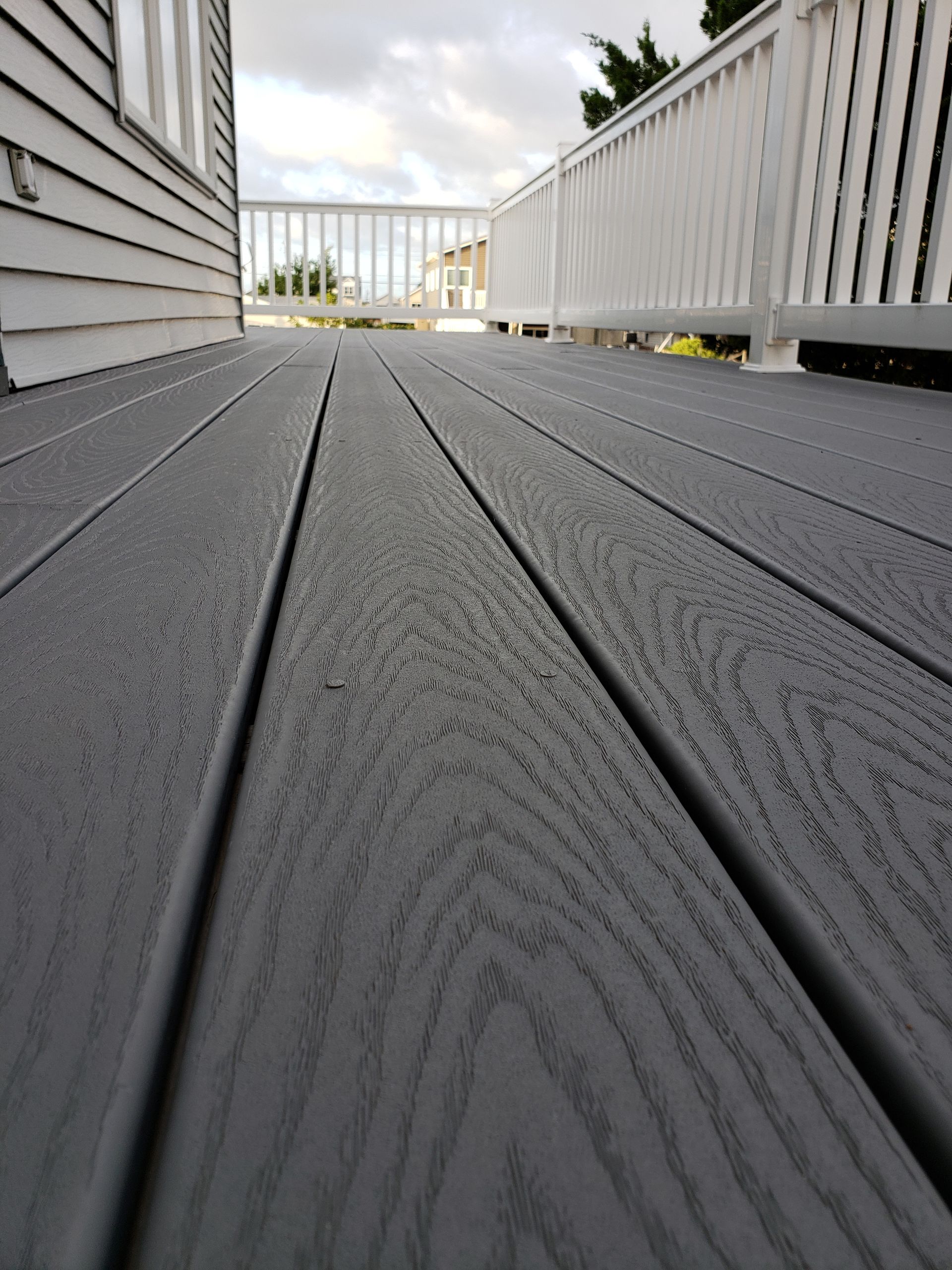
Composite decking like Trex eliminates the recurring work wood requires by using engineered materials that resist moisture absorption, fading, and surface damage without annual staining or sealing. The boards are manufactured from wood fibers and recycled plastic, creating a surface that handles weather exposure and foot traffic with minimal upkeep compared to traditional lumber. LNC Fencing installs Trex decking for properties in Cleveland where homeowners want outdoor space that stays functional and visually consistent across seasons without routine refinishing.
Installation follows similar structural principles as wood decks, with pressure-treated framing and posts supporting composite decking boards that lock into place using hidden fasteners rather than exposed screws. The surface doesn't splinter, crack along grain lines, or require gap adjustments for seasonal expansion the way natural wood does.
Request a consultation to compare material costs and long-term maintenance differences between Trex and wood options.
Why Composite Decking Works for High-Traffic Areas
Trex boards resist fading from UV exposure and don't absorb water that causes wood to warp, rot, or develop mold in shaded areas where moisture lingers. The surface cleans with soap and water rather than requiring chemical strippers or power washing that damages wood grain. Multiple color options remain consistent over time instead of graying or weathering unevenly like untreated lumber.
After installation, you'll notice a surface that feels uniform underfoot without the raised grain or rough patches that develop on aging wood. The deck maintains its appearance through sun, rain, and humidity without the color shifts or surface degradation that occur when wood protective coatings wear off. Composite decking costs more initially but reduces long-term expenses by eliminating stain, sealant, and the labor required to apply those products every one to three years.
The material performs well in entertainment spaces where spills, foot traffic, and furniture movement would accelerate wear on traditional wood. It also works for properties where maintenance access is difficult or where owners prefer outdoor spaces that require minimal seasonal upkeep.
What Property Owners Usually Ask
Understanding material differences and installation details helps homeowners decide whether composite decking fits their priorities and budget.
How does Trex hold up in Cleveland's humidity?
Composite materials don't absorb moisture the way wood does, so they resist the warping, mold growth, and rot that affect wood decks in humid climates where boards stay damp for extended periods.
What maintenance does composite decking require?
Trex needs occasional cleaning with soap and water to remove dirt and pollen but doesn't require staining, sealing, or sanding like wood decks that need regular refinishing to prevent deterioration.
How long does Trex decking last compared to wood?
Composite decking typically lasts longer than wood because it doesn't rot or crack, though actual lifespan depends on installation quality, sun exposure, and how well the underlying structure was built.
Why does Trex cost more than wood?
Composite materials involve more complex manufacturing than milled lumber, and the upfront cost reflects long-term savings from eliminated maintenance expenses that wood requires throughout its usable life.
Can Trex be installed on existing deck framing?
Composite boards can replace worn wood decking if the underlying frame structure remains solid and properly spaced, though framing should be inspected to confirm it still meets load and spacing requirements.
LNC Fencing provides estimates that break down material and installation costs for both Trex and wood decking so you can evaluate total ownership costs. Reach them at (936) 314-3657 to discuss your project in Cleveland or nearby areas.